
Introduction
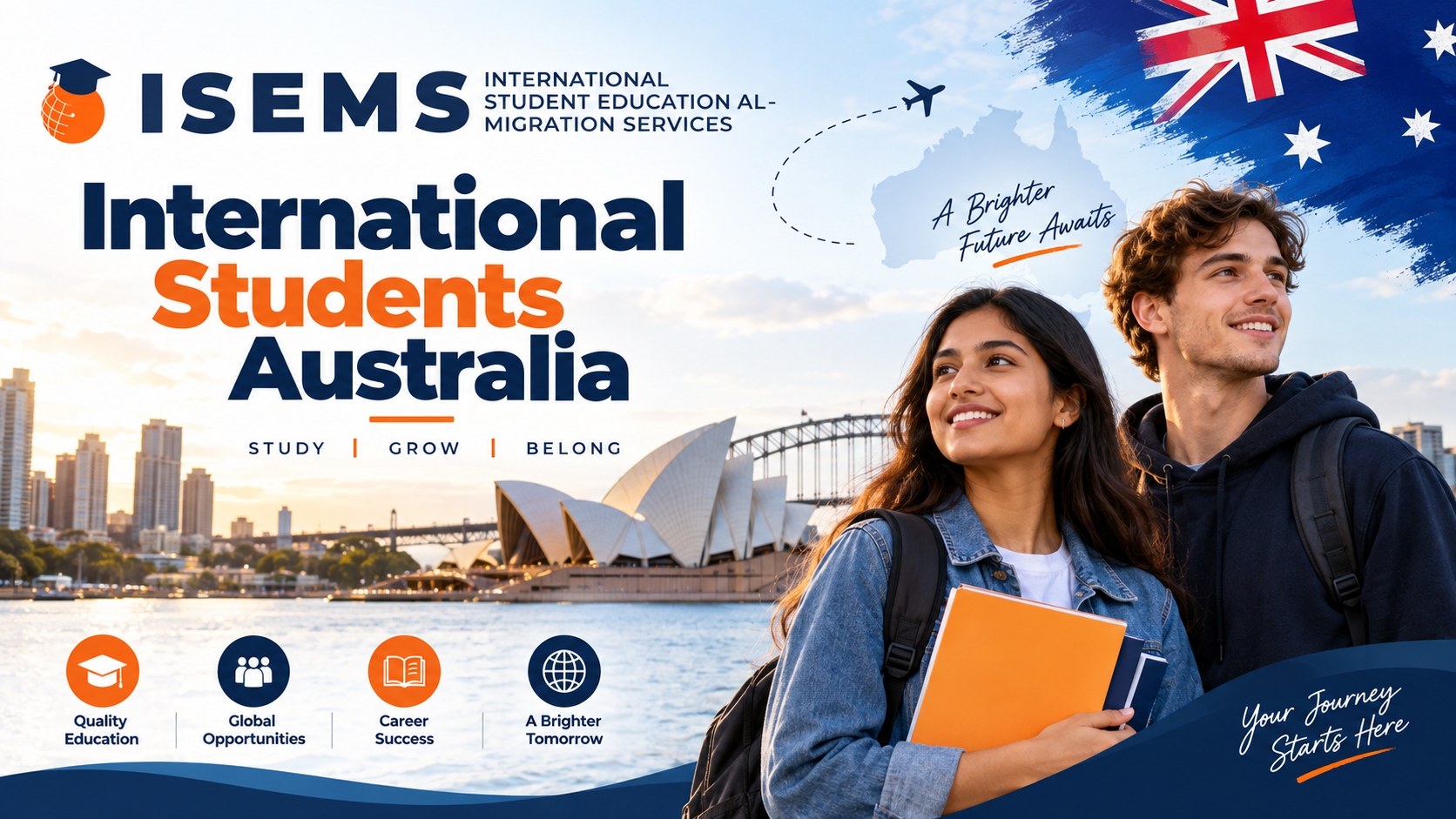
Australia has become a prime destination for international students seeking high-quality education and diverse cultural experiences. With world-renowned universities, stunning landscapes, and a welcoming atmosphere, it’s no surprise that thousands of students choose to study here every year. In this guide, we will explore various aspects that make studying in Australia an enriching experience, while also providing practical tips for success.
Why Choose Australia?
- Top-ranked universities and colleges.
- Diverse and inclusive culture.
- High standard of living and safety.
- Numerous scholarship opportunities.
- A chance to explore beautiful landscapes and cities.
Educational Institutions in Australia
Australia is home to several prestigious universities, each offering a wide range of courses. Here’s a brief overview of some of the top institutions:
| University | Ranking |
| The Australian National University (ANU) | 1 |
| University of Melbourne | 2 |
| University of Sydney | 3 |
| University of Queensland | 4 |
| University of New South Wales (UNSW) | 5 |
Types of Courses Available
- Bachelor’s Degrees
- Postgraduate Degrees
- Vocational Education and Training (VET)
- English Language Courses
- Short Courses and Workshops
Navigating the Visa Process
Understanding the visa requirements is crucial for aspiring international students. Here are the typical steps:
- Check your eligibility.
- Choose a course and institution.
- Apply for a Confirmation of Enrolment (CoE).
- Gather necessary documents.
- Submit your visa application.
Student Visa Subclass 500
This visa allows international students to stay in Australia while studying. Key points include:
- Validity: Up to five years depending on the course.
- Work: Eligible for part-time work (up to 40 hours per fortnight).
- Family: May permit family members to accompany you.
Living in Australia as an International Student
Making the most of your stay means understanding cultural differences and settling in. Here are some tips:
- Engage in local activities and festivals.
- Explore student organizations and clubs.
- Communicate openly with classmates and locals.
- Seek support services at your institution.
Cost of Living
Budgeting is essential. Key expenses include:
- Accommodation: $1,000 – $2,500/month
- Groceries: $300 – $600/month
- Utilities: $100 – $300/month
Real-World Experiences
Many students have shared positive experiences. For instance:
“Studying in Australia allowed me to meet people from different backgrounds and cultures. It has broadened my perspective and helped me grow personally and academically.” – John, a student from Canada.
Expert Tips for Success
- Stay organized with your study schedule.
- Don’t hesitate to ask for help or guidance.
- Participate in internships or part-time jobs related to your field.
- Maintain a balanced lifestyle, combining study and leisure.
Frequently Asked Questions
1. What are the requirements to study in Australia?
Requirements vary by institution but typically include proof of previous education, English proficiency, and financial capacity.
2. Can I work while studying?
Yes, international students can work part-time on a student visa.
3. Are there scholarship opportunities for international students?
Many universities offer scholarships aimed at international students based on merit, need, or field of study.
4. How can I find accommodation in Australia?
University accommodation, private rentals, and homestays are several options available for students.
5. What should I do if I’m feeling homesick?
Engage in social activities, reach out to friends and family, and seek support from counseling services at your university.
Conclusion
Studying in Australia presents an incredible opportunity for personal and educational growth. By understanding the landscape of academic institutions, navigating the visa process, and actively engaging in the community, international students can make the most of their experience. For further assistance with educational migration services and settling in Australia, reach out to ISEMS.
