
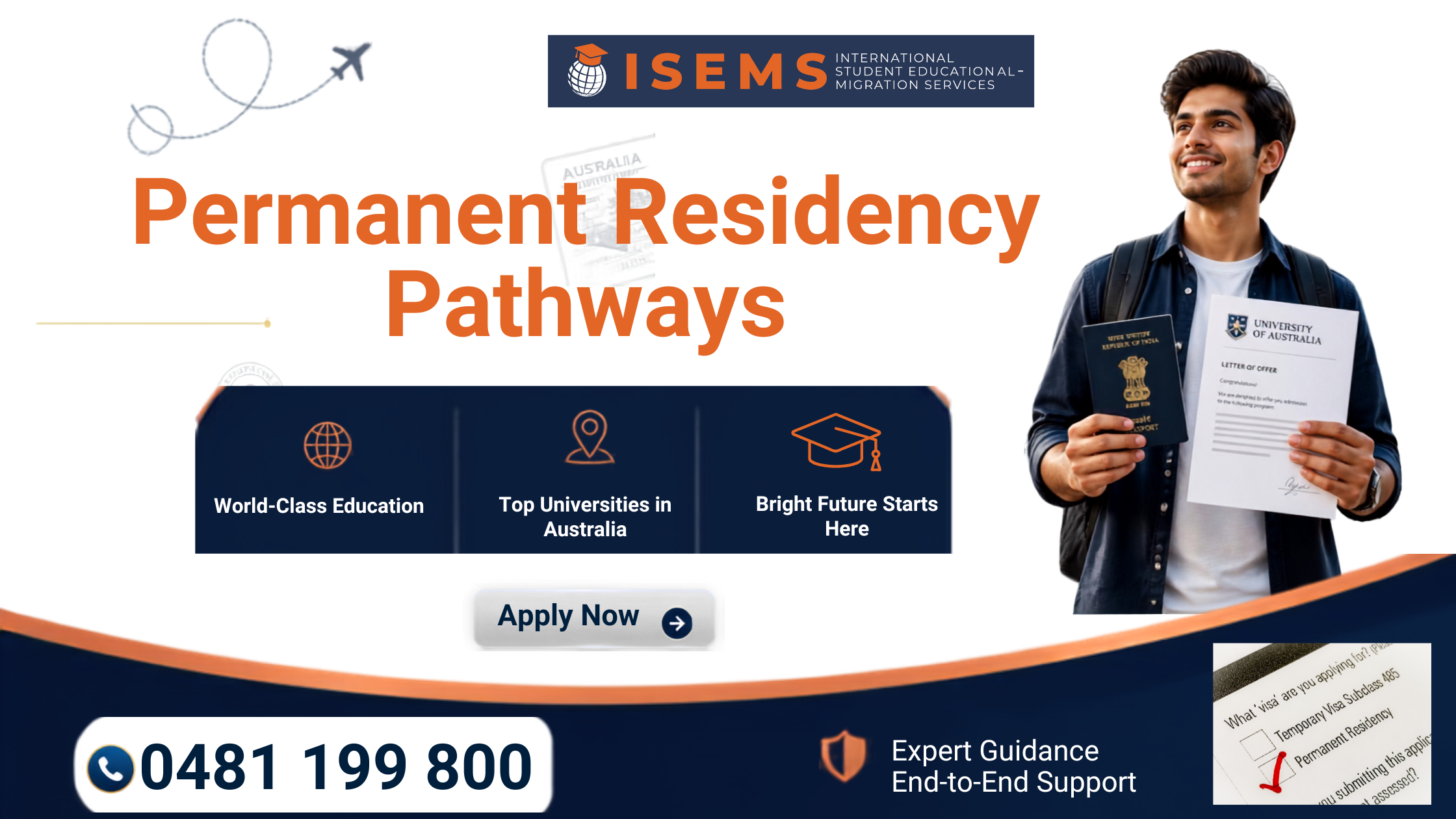
Understanding Permanent Residency Pathways
Permanent residency is a status granted to foreign nationals allowing them to live and work in a country indefinitely. For many, achieving permanent residency is a key milestone in their journey towards a new life. In this guide, we will explore various permanent residency pathways available for individuals looking to make their homes in different countries.
Why Choose Permanent Residency?
Permanent residency offers several benefits, including:
- Access to employment opportunities
- Eligibility for social benefits
- Pathway to citizenship
- Stability and security in residence
Types of Permanent Residency Pathways
There are multiple pathways to obtain permanent residency, each with its own requirements and processes. Here, we break down the most common options:
1. Family-Sponsored Permanent Residency
Many countries, including the USA, Canada, and Australia, allow citizens and permanent residents to sponsor family members. This pathway is ideal for:
- Spouses and partners
- Children
- Parents and siblings
2. Employment-Based Permanent Residency
If you possess valuable skills, securing a job offer from a company can enable you to apply for permanent residency. Categories may include:
- High-skilled workers
- Managers and executives
- Professionals and technicians
3. Study to Permanent Residency
Studying in a foreign country can often lead to permanent residency. Students become eligible through:
- Post-graduation work permits
- Graduate programs leading to employment
4. Refugee or Asylum Status
Individuals fleeing persecution may qualify for permanent residency through refugee or asylum programs. This pathway emphasizes:
- Protection and safety
- Legal rights and benefits
Comparison Table of Permanent Residency Pathways
| Pathway | Eligibility | Processing Time |
|---|---|---|
| Family-Sponsored | Immediate family members of citizens | 6 months – 2 years |
| Employment-Based | High-demand professions | 1 year – 3 years |
| Study-Based | International students in specific programs | 6 months – 2 years |
| Refugee/Asylum | Those fleeing persecution | 1 year – several years |
Real-World Examples
Understanding the personal journeys of those who navigated these pathways can offer valuable insights:
- Maria from Mexico: Sponsored by her husband, she successfully obtained permanent residency in the USA in about a year.
- Sam from India: Came to Canada on a student visa and transitioned to permanent residency through a post-graduation work permit, landing a job in IT.
Expert Tips for Navigating the Process
To ensure a smooth application process, consider these expert tips:
- Start compiling documentation early.
- Consult immigration professionals when necessary.
- Stay updated on immigration policies, which may change.
Frequently Asked Questions (FAQs)
1. How long does it take to obtain permanent residency?
The time varies by country and pathway, ranging from a few months to several years.
2. Can I apply for permanent residency while in my home country?
Yes, most countries allow for applications from abroad, though some may require you to be physically present for specific processes.
3. Is it possible to lose my permanent residency status?
Yes, factors like long absences from the country, legal issues, or failure to meet residency conditions may result in losing status.
4. Can I apply for citizenship after getting permanent residency?
Yes, permanent residency is often a step towards naturalization and citizenship, usually requiring a specific period of residency.
5. Are there fees associated with permanent residency applications?
Yes, there are typically application fees and, in some cases, costs related to legal advice or document preparation.
Conclusion
Navigating the world of permanent residency pathways may seem daunting, but with clear knowledge and expert guidance, you can make informed decisions about your future. Consider the options available to you and take action to secure your permanent residency today!
Call to Action
If you’re ready to explore permanent residency pathways more thoroughly, consult with ISEMS (International Student Educational Migration Services) today for tailored guidance!
